Bug Identification
Bed Bug: Identification, Habitat, and Real Examples
Learn how to recognize bed bugs from photos, read visible clues, spot common lookalikes, and take safe next steps when you suspect an infestation.
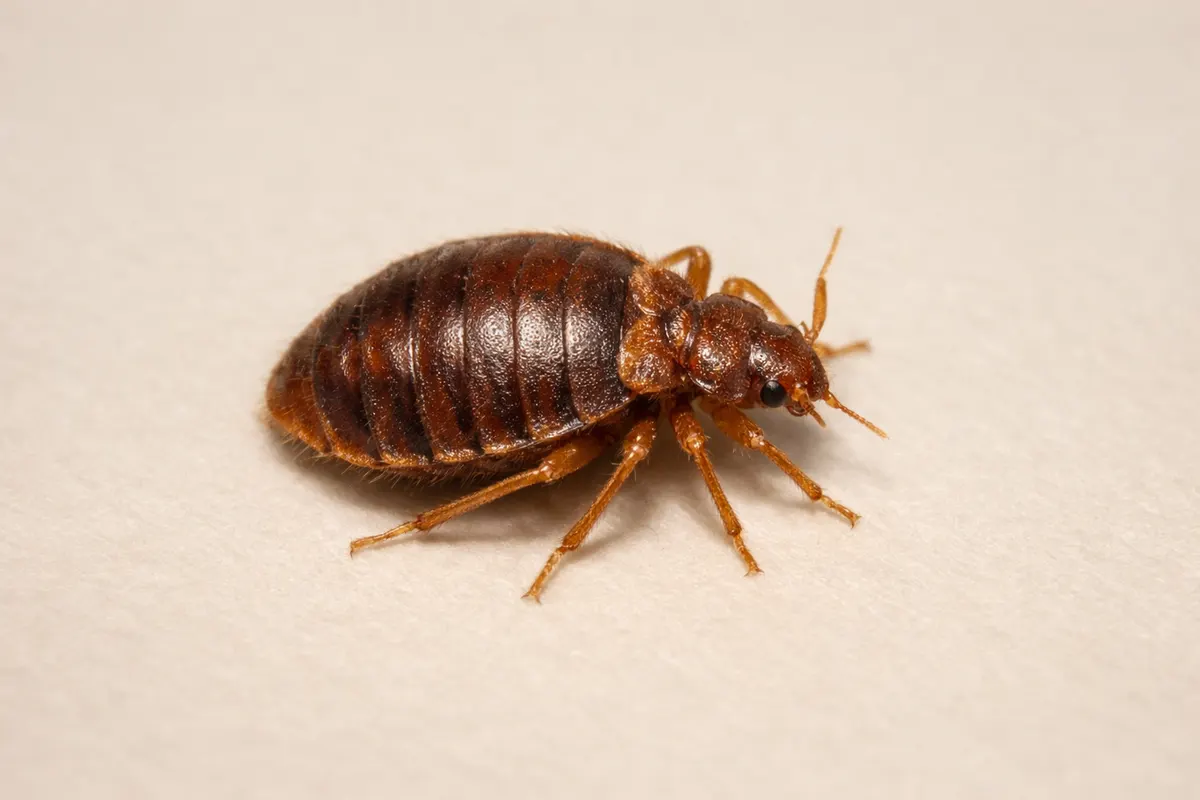
What bed bugs are and why they matter
Bed bugs (Cimex lectularius and related species) are small, wingless insects that feed on the blood of warm-blooded animals. Adults are roughly the size of an apple seed: about 4–6 mm long when unfed and slightly longer after a recent meal. They belong to the family Cimicidae and are best known for their nocturnal feeding behavior around sleeping people.
Most household infestations involve the common bed bug species adapted to human homes. They don’t transmit most diseases that concern the public, but their presence can cause repeated itchy bites, sleep disruption, and extensive cleaning or treatment costs when populations grow.
Because bed bugs hide in tight cracks and fabric seams, a single sighting in furniture, mattress seams, or baseboards often indicates more than one insect. Field context—age and condition of furniture, travel history, and whether bites are reported—adds essential evidence beyond a single photographed bug.
- Size: adults 4–6 mm (about the width of a pencil eraser).
- Shape: oval, flattened when unfed, more ballooned after feeding.
- Color: reddish-brown to mahogany when mature; younger nymphs are lighter and translucent.
- Behavior: nocturnal, hide in seams, crevices, and behind headboards or baseboards.
What do bed bugs look like in photos?
A clear photo is the fastest way to narrow possibilities, but several visual signals together make identification stronger. Look for an oval, flattened body outline with six legs and short antennae; adults lack wings and have a distinct rounded abdomen. Lighting that highlights texture will show fine ridges on the pronotum (the area behind the head) and a smooth, glossy surface on mature insects.
Size references in the frame are crucial. An isolated dark speck could be debris or a tick; include a coin, ruler, or known object near the specimen when taking photos. Nymphs (young bed bugs) are smaller and paler, sometimes almost translucent, so they can be mistaken for dust or small beetle larvae unless a size cue is present.
Context clues in the photo help a lot. Bed bug sightings near mattress seams, behind piping, within box springs, or alongside dark stains suggest insects and their droppings rather than an unrelated beetle. The combination of body shape, location, and grouped dark smears is more diagnostic than any single trait.
Keep in mind a single image cannot prove species or complete infestation status. Use photographs to build a checklist of matching clues and guide your next steps, such as targeted inspection or consulting a professional for confirmation.
- Oval, flattened adult body; wingless and 4–6 mm long — include a size reference in photos.
- Reddish-brown color on adults; lighter, translucent nymphs look whitish or yellowish.
- Found in mattress seams, headboards, couch crevices, or behind baseboards in photos.
- Grouped dark smears near hiding spots often indicate bed bug poop rather than random stains.
Key facts at a glance for bed bugs
This quick reference table summarizes the attributes most useful for photo-based checks: size, typical color, common habitats, peak activity, and a distinctive field feature to look for in images.
| Attribute | Typical bed bug | Quick photo note |
|---|---|---|
| Size | 4–6 mm (adult) | Include coin or ruler in frame for scale |
| Color | Reddish-brown (adults); pale nymphs | Lighting can make color appear darker or black |
| Habitat | Mattress seams, box springs, furniture joints | Check fabric folds and crevices in photos |
| Active season/time | Nocturnal, active year-round indoors | Photos taken at night may show more movement blur |
| Distinguishing feature | Oval, flattened body; lack of long hind legs | Ticks and fleas have different leg placement or jumping posture |
- Use the table to standardize the elements you check in every photo before drawing conclusions.
- When several table entries match your image and context, your confidence in an ID grows; a mismatch on multiple fields points to a lookalike.
Where and when you're most likely to see bed bugs
Bed bugs are synanthropic: they thrive in human environments. Typical encounters occur in bedrooms, hotels, dorm rooms, and on secondhand furniture. They spread passively on luggage, clothing, and used furniture, so an encounter in a new living space after travel or moving is common.
Season matters less indoors than outdoors; indoor heating keeps them active year-round. However, spring and summer can increase human travel and used-furniture turnover, raising the chance of accidental introductions into homes and shared housing.
When inspecting photographs, note the broader setting visible in the image—hotel-style bedding, multi-occupant sleeping areas, or worn upholstery raise the prior probability that a photographed insect is a bed bug compared with a pristine, outdoor scene.
| Setting | When you'll see them | What you'll notice in photos |
|---|---|---|
| Home bedroom | Any time; more likely at night | Seams, folded fabric, clustered dark spots |
| Hotels & short-stay lodging | After guest turnover | Visible stains near mattress edges, behind headboard |
| Secondhand furniture | Upon inspection or after moving in | Hidden creases with small nymphs or shed skins |
| Public transport & seating | Occasional; after long trips | Isolated sightings near seams or under cushions |
- Typical indoor hotspots: mattress seams, box springs, bed frames, headboards, and upholstered furniture.
- Public places to check after travel: hotel rooms, hostels, movie theaters, and public transit seats.
- Secondhand items: check seams, zippers, and inside drawers before bringing furniture home.
What bed bugs are commonly mistaken for
Several small insects and non-insect items are frequent lookalikes in photos: carpet beetles, ticks, fleas, and small roaches. Dust particles, dried food crumbs, and exuviae (shed skins) can also be misread as live insects in low-resolution images.
Photo-focused telltale differences: ticks have a more rounded body and eight legs; fleas have powerful back legs for jumping and a laterally compressed body; carpet beetles are more rounded with varied color patterns and often found near lint or pet hair. Shed skins and fecal spots lack legs and show irregular, flattened shapes.
When a photo is ambiguous, targeted close-ups of legs, antennae, and body shape under consistent lighting usually resolve the confusion. Use the linked deeper guide on lookalikes if needed for side-by-side comparisons.
- Ticks: 8 legs, no antennae, engorged shape after feeding (not flattened). See Bed Bug Lookalikes: Beetles, Fleas, Ticks, and Carpet Bugs (https://bug-identifier.app/blog/bed-bug-lookalikes).
- Carpet beetles: rounder, patterned shells; often found on carpets and clothing rather than mattress seams.
- Fleas: smaller (1–3 mm), laterally flattened, identifiable by jumping posture in photos or sequence shots.
- Debris or exuviae: no movement, inconsistent body segments, often paired with molting evidence.
Safe handling and next steps if you suspect bed bugs
If you find a suspected bed bug, avoid crushing it in place, which spreads fecal stains and eggs. Instead, place the specimen in a sealed container or a clear resealable bag with a note of the date and location. This preserves it for clearer photos or for inspection by a pest professional.
Clean visible droppings with a damp cloth; launder bedding in hot water and dry on high heat when possible to remove live bugs and eggs. For larger concerns, contact a licensed pest management professional rather than attempting insecticide use without guidance—incorrect treatment can hide evidence and make verification harder.
Document the situation with multiple photos: a full-scene shot showing the context, a medium shot with scale, and a close-up that captures legs and body shape. Those images will improve any remote appraisal and help tools like Bug Identifier give a better first-pass comparison without promising definitive verification.
- Preserve a specimen in a sealed container for clearer identification or inspection.
- Launder bedding and vacuum seams; heat (dryer) is an effective non-chemical treatment for linens.
- Call a licensed pest professional for suspected infestations; avoid amateur insecticide mixes that can obscure evidence.
Frequently asked questions
How should I approach bed bug identification from a blurry phone photo?
Start by collecting multiple images: a full-context shot to show location, a medium shot that includes a size reference (coin, ruler), and a close-up focused on the insect’s body. Check for the characteristic oval, flattened shape, reddish-brown color on adults, and association with mattress seams or upholstery. If the photo lacks a scale or context, treat the result as inconclusive and take clearer photos or preserve a specimen in a sealed container for inspection.
Is bed bug poop a reliable sign when I find black specks on my mattress?
Dark specks on sheets or mattress seams are commonly bed bug fecal stains, but they can also be mold, other insect droppings, or spilled liquid. Bed bug poop often appears as clustered, finely peppered spots that smear slightly when wiped with a damp cloth. Use this clue together with body shapes, shed skins, or eggs to increase confidence rather than relying on it alone.
What should I photograph to answer what do bed bugs look like at night?
Photograph a well-lit area near the suspected hiding spot; use a stable surface or flashlight for consistent lighting. Capture three views: the broad scene (to show location), a medium shot with a size reference, and a close-up that shows the body outline, legs, and antennae. Nighttime photos with poor light hide key features, so move the item to a well-lit area or use artificial light to reveal texture and color without crushing the specimen.
When is it appropriate to call a professional instead of relying on photos for bed bug identification?
Contact a licensed pest professional when multiple clues point to infestation—visible live bugs, repeated bite reports, clustered fecal spots, or shed skins—especially if photos are unclear or you find bugs in multiple rooms. Professionals can inspect hidden harborage sites, confirm species if needed, and recommend treatment steps. Use photos as a first pass to decide urgency, but do not treat photos as definitive proof of infestation in legal or apartment-lease situations.
Related guides
Compare your photo to bed bug clues with Bug Identifier
Open Bug Identifier on iOS to run a first-pass comparison of your photo against the visual clues on this page. The app can highlight matching traits—shape, color, and typical hiding places—and suggest whether further inspection is warranted. Remember: this is a visual aid, not a definitive lab test. Preserve any specimen and contact a licensed pest professional if you suspect an active infestation. Download Bug Identifier (https://bug-identifier.app/) to get guided photo-check steps and quick next actions.