Bug Bite Identifier: How to Recognize, Verify, and Act
Learn what a bug bite identifier can and can’t prove, which visual clues matter, and the safest next steps after you inspect or photograph a bite.
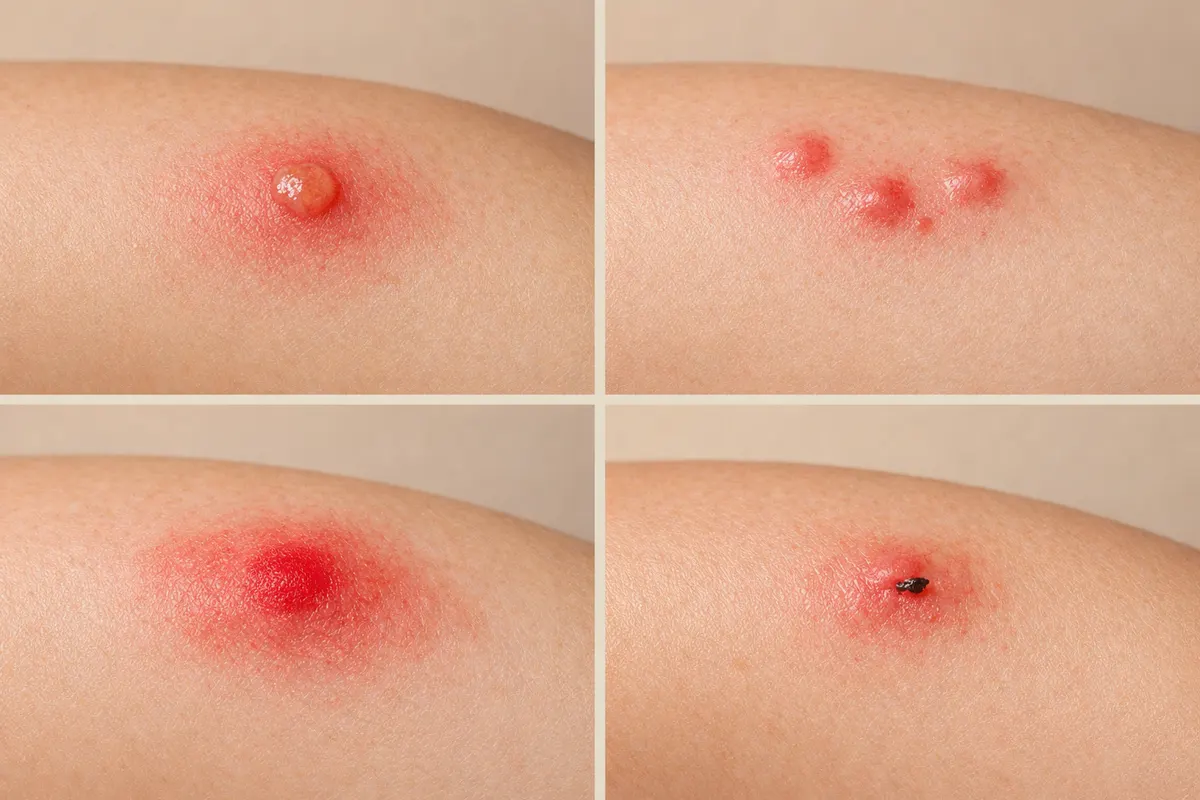
Quick answer: What a bug bite identifier can and can’t do
A bug bite identifier can often narrow possibilities based on visible patterns, distribution, and context, but it rarely gives a single definitive species from a photo alone. Many bites look similar—mosquito, flea, bed bug, and mite reactions overlap—so expect a likely range rather than a final verdict.
In practical terms, a reliable first-pass identification focuses on a few consistent features: grouping (single vs. clustered), bite pattern (linear, clustered, scattered), timing, and symptoms such as severe swelling, blistering, pain, or systemic reactions. When those clues line up with a known exposure—sleeping in a shared room, handling pets, or a recent outdoor hike—the identifier can be very useful for next steps.
Use a bug bite identifier as a triage tool: document the lesion clearly, compare it to the strongest visual clues, and decide whether you can manage it at home, monitor for changes, or need a clinician or pest professional. Don’t treat an app or photo-based ID as medical or forensic proof—treat it as a faster, evidence-informed starting point.
What a bug bite identifier means in everyday terms
A bug bite identifier is a process—manual or app-assisted—that uses visible signs and contextual details to suggest which kind of insect likely caused a bite. It compares features like size, shape, color, arrangement, and the environment where the bite happened (bedroom, yard, workplace). The result is typically a short list of candidates, not an absolute label.
Identifiers rely on patterns more than microscopic proof. For example, bed bug bites commonly appear as linear or clustered welts on exposed skin after sleep; mosquito bites tend to be isolated, raised itchy bumps; flea bites often cluster around ankles and lower legs. A good identifier highlights these pattern-based matches and gives confidence levels—high, medium, or low—so you know how much to trust the suggestion.
Because skin reactions vary by person and over time, identifications are stronger when paired with context. Noting where you slept, whether pets were present, recent travel, or presence of visible bugs in the environment raises confidence. Without that context, a visual match is helpful but partial.
Key clues to check on a suspected bug bite
When evaluating a suspicious bump or rash, prioritize clues that are least likely to be altered by scratching, creams, or camera angle. Take clear photos from multiple distances and note timing and location on the body. The most reliable clues combine visual features with context.
Health symptoms matter. Itching alone points to many irritants; rapid spreading redness, fever, joint pain, or breathing difficulty require urgent medical attention and change how you interpret an identifier’s suggestion.
Collect context alongside pictures: where you slept, pets present, time since noticing the bite, recent outdoor activities, and whether others in the same place were bitten. These contextual details often convert a low-confidence visual match into a high-confidence practical diagnosis.
- Pattern: Single bump, linear row, or clustered patches—linearity suggests bed bugs or cluster-feeding insects; isolated bumps lean toward mosquitoes.
- Location: Ankles/lower legs suggest fleas; exposed skin like arms and face suggests mosquitoes or midges; torso and inner arms are common for bed bug bites.
- Timing: Bites noticed immediately after outdoor exposure point to mosquitoes or ticks; bites appearing after sleep point to bed bugs or mites.
- Lesion features: Central punctum (tiny dark dot) can indicate a true bite; blistering or necrosis suggests more severe reactions or venomous arthropods.
- Distribution: Multiple bites in a single zone suggest infestation; random single bites may be seasonal or isolated exposures.
- Environment: Signs of pests—small blood spots on sheets, live bugs, shed skins, or pet scratching—greatly strengthen specific identifications.
Step-by-step: Use a bug bite identifier safely and effectively
Step 1 — Document clearly. Photograph the bite using natural light, with a ruler or coin for scale, and take at least two distances: a close-up of the lesion and a wider shot showing location on the body. Note time of day and when you first noticed symptoms.
Step 2 — Gather context. Write down recent activities (sleeping location, pet contact, outdoor work), whether others are affected, and any visible pests or signs in the environment. This information is often decisive when visual clues are ambiguous.
Step 3 — Compare to reliable references. Use field guides, trusted medical resources, or vetted checklists to match pattern, shape, and distribution. When using an app or online identifier, check its confidence score and recommended follow-ups rather than taking a single label as final.
- If the identifier lists multiple likely causes, rank them by how well the pattern and context match your situation.
- If symptoms are mild and a common cause is likely, apply symptomatic care (cleaning, cold compress, topical anti-itch) and monitor for 48–72 hours.
- If the bite shows signs of infection (increasing redness, warmth, pus), systemic reaction (hives, breathing trouble), or severe pain, seek medical care immediately.
- If identification suggests household pests (bed bugs, fleas), inspect the sleeping area, bedding, and pets; consider contacting a pest professional for confirmation and remediation.
Examples: Common bug bites and how identifiers treat them
Example 1 — Mosquito bite after yard work: Single, round, raised itchy bump that appears immediately or within hours of being outdoors. Context (standing water nearby, evening activity) and isolated placement typically point to mosquitoes. An identifier will flag this as a common, low-risk match and recommend local symptom care.
Example 2 — Flea bites on ankles: Small clustered red bumps concentrated around the ankles or lower legs; pets in the household that scratch are a strong context clue. An identifier will combine the clustered distribution and pet exposure and recommend checking pets and bedding. For pest confirmation, pair the visual match with an inspection of pet fur and carpet.
Example 3 — Bed bug bites in a row after sleeping: Multiple bites in a linear or clustered pattern on exposed areas like arms, neck, and torso noticed after a sleep period. A high-confidence identifier result requires environmental clues—blood spots on sheets, small dark insects, or molted skins. If the identifier suggests bed bugs, inspect the mattress seam and nearby furniture and consider pest professional verification.
- Example 4 — Tick bite with an expanding rash: A central punctum with an expanding target-like rash (erythema migrans) needs clinician assessment for tickborne illness; an identifier helps only as a preliminary note, not a diagnosis.
- Example 5 — Allergic reaction vs. bite: Large, widespread hives or swelling after eating or medication may mimic bites but require medical evaluation; identifiers should not replace allergy assessment.
Limitations of a bug bite identifier and when to verify
High-confidence outcomes: When visual patterns and context align—e.g., clustered ankle bites with pets present (flea) or linear bites after overnight stays with visible bed bug signs—an identifier can reliably guide immediate next actions like inspecting pets or bedding. These are situations where you can act quickly and reasonably on the suggestion.
Partial confidence outcomes: Many common bites fall into a gray zone. If a single raised bump could be mosquito, flea, or spider, the identifier may give a short list with medium confidence. In these cases, manage symptoms and monitor; revisit the identification if new bites appear or symptoms change.
Uncertain outcomes and safety limits: Identifiers cannot determine systemic causes, allergic triggers unrelated to insects, or accurately identify every arthropod species from skin pictures. They cannot replace clinical diagnosis for tickborne diseases, bacterial infection, or allergic anaphylaxis. If you see spreading redness, fever, joint pain, numbness, or breathing difficulty, seek medical care right away.
Verification steps: If the situation matters—medical risk, suspected household infestation, or bite in a vulnerable person (infants, elderly, immunocompromised)—confirm with a trusted human: a clinician for health concerns, a pest professional for infestation, or entomology resources for species-level identification. Use an identifier to speed decision-making, then follow up with the appropriate specialist when any risk thresholds are crossed.
- High confidence: Multiple matching clues + environmental evidence → reasonable to act immediately.
- Medium confidence: Visual match but lacking context → monitor and document further.
- Low confidence: Single ambiguous lesion or altered presentation (scratched, treated) → avoid definitive conclusions; seek expert verification if stakes are high.
- When to verify: signs of infection, systemic symptoms, multiple household cases, or suspected vectors of disease (e.g., ticks) warrant professional follow-up.
Related guides
Act faster on suspected bites with Bug Identifier
Use the Bug Identifier iOS app to capture clear photos, add context, and get a prioritized list of likely causes plus recommended next steps. The app helps you triage quickly—decide whether to apply home care, inspect your living space, or seek a clinician—so you can move from uncertainty to action faster and with clearer documentation.

Frequently asked questions
Can a photo alone identify a bug bite accurately?
A photo can narrow likely causes but rarely offers absolute certainty alone. Lighting, angle, skin reaction, and time since the bite all affect appearance. Photos combined with context—where you were, pet exposure, timing—produce stronger identifications. Use images as a first pass and follow the next steps recommended by the identifier rather than treating a single photo as a final diagnosis.
How do I tell bed bug bites from flea or mosquito bites?
Look at pattern and location: bed bug bites often appear in clusters or lines on exposed skin after sleep; flea bites cluster around ankles and lower legs and often occur when pets are present; mosquito bites are usually isolated, raised, itchy bumps after outdoor exposure. Environmental clues—blood spots on sheets, pet scratching, or seeing insects—raise confidence in a match and guide the right response.
When should I see a doctor for a bug bite?
Seek medical care if a bite shows rapidly increasing redness, warmth, pus, spreading streaks, fever, severe pain, or any breathing difficulty or swelling of the face or throat. Also consult a clinician if the bite follows a tick exposure or if you’re in a high-risk group (very young, elderly, or immunocompromised). For routine itchy bites without worrying signs, symptom care and monitoring are usually sufficient.
How should I use the Bug Identifier app after taking photos of a bite?
Use the app as a fast first pass: capture clear photos and add contextual notes (sleep location, pets, recent outdoor activities). Treat the app’s suggestions as possible causes and follow its recommended next steps—home care, monitoring, or escalation. If the app’s result suggests a household pest or a medically concerning pattern, confirm with a pest professional or clinician. The app speeds triage but does not replace professional diagnosis.